


Book
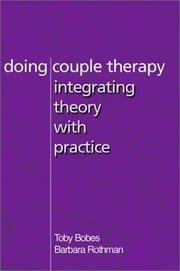
Doing Couple Therapy: Integrating Theory with Practice
Find this book ↗ (opens in a new tab)Google Books catalogue search

Devan’s resource collection
Theory, research and professional reading for therapists, students and curious humans. You don’t need a qualification to be curious.
This collection brings together resources from my psychotherapy and counselling reading and training, alongside things to explore in your own time. Pick what interests you. Leave what doesn’t.
67 resources to explore
Book

Book

Book
Book

Book

Book

Book
Book
Book

Book
Book
Book

Book
Selected readings: Foreword, “Safety Is Treatment”; Introduction, “Being Present in the Context of Culture”; Chapter 15, “Inherent Wisdom and Implicit Memory”; Chapter 18, “Leading, Following, Responding”; Chapter 19, “Co-attaching”; Chapter 20, “Opening to Implicit Memory.”
Chapter titles and numbering can vary by edition. Check your copy.
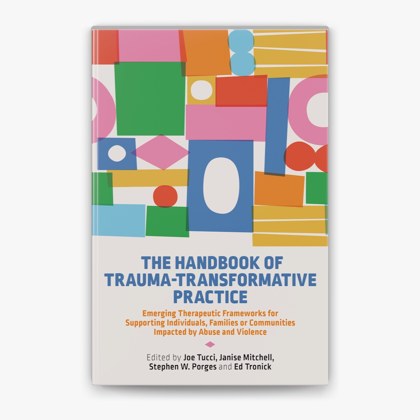
Book
Selected readings: Chapter 2, “Polyvagal Theory: The Neuroscience of Safety in Trauma-Informed Practice”; Chapter 8, “Transforming Multisensory Experience into an Embodied Self”; Chapter 11, “Healing Inter- and Transgenerational Trauma Through Indigenous Healing Practices”; Chapter 18, “From Trauma Informed to Trauma Transformative.”
Chapter titles and numbering can vary by edition. Check your copy.
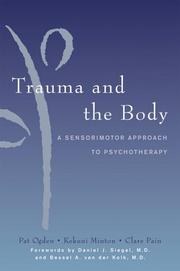
Book
Selected reading: Chapter 5, “Defensive Subsystems: Mobilizing and Immobilizing Responses.”
Chapter titles and numbering can vary by edition. Check your copy.

Book
Selected reading: Chapter 5, “First Do No Harm.”
Chapter titles and numbering can vary by edition. Check your copy.
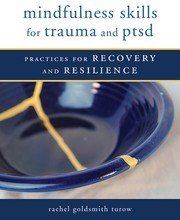
Book
Selected reading: Chapter 5, “Respect and Reframe: Mindfulness Practices for Intrusive Thoughts, Traumatic Memories and Nightmares.”
Chapter titles and numbering can vary by edition. Check your copy.
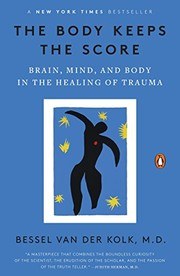
Book
Selected readings: “Looking into the Brain: The Neuroscience Revolution” and “Running for Your Life: The Anatomy of Survival.” Chapter and page numbering may vary by edition; check your copy.
Chapter titles and numbering can vary by edition. Check your copy.

Book
Selected readings: Chapter 2, “Understanding Parts, Understanding Traumatic Responses”; Chapter 4, “Learning to See Our ‘Selves’: An Introduction to Working with Parts.”
Chapter titles and numbering can vary by edition. Check your copy.

Book
Selected reading: Chapter 10, “Exploring Body Sensation for Therapists.”
Chapter titles and numbering can vary by edition. Check your copy.
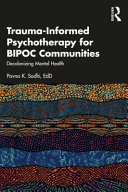
Book
Selected reading: Chapter 3, “Culturally Responsive Trauma-Informed Psychotherapy.”
Chapter titles and numbering can vary by edition. Check your copy.
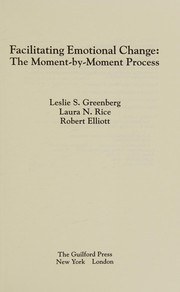
Book
Selected reading: Chapter 13, “Empathic Affirmation at a Marker of Intense Vulnerability.”
Chapter titles and numbering can vary by edition. Check your copy.
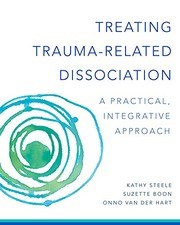
Book
Selected readings: Chapter 15, “Integrative Approaches to Shame”; Chapter 16, “Working with Angry and Hostile Parts of the Patient.”
Chapter titles and numbering can vary by edition. Check your copy.
Paper
Paper
Paper
Paper
Paper
Paper
Paper
Training
Training
Training
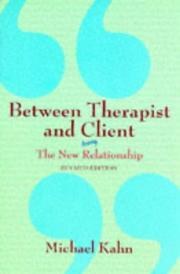
Book
Book
Book

Book

Book
Book
Book
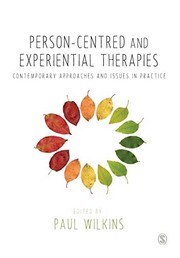
Book

Book
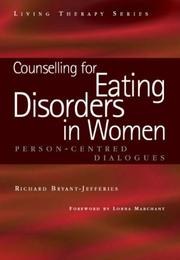
Book
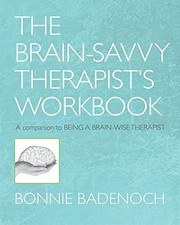
Book
Book

Book

Book

Book
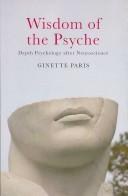
Book

Book

Book
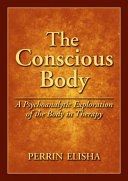
Book

Book
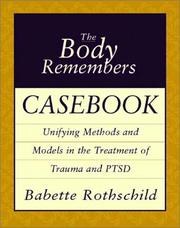
Book
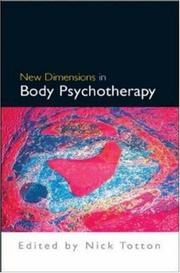
Book

Book

Book
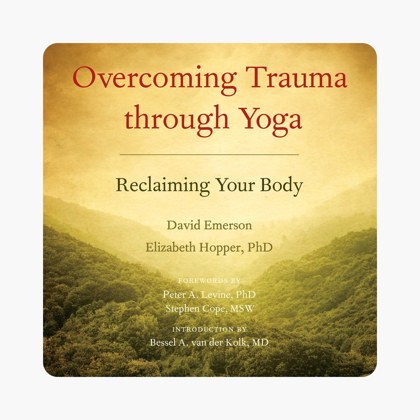
Book

Book

Book

Book
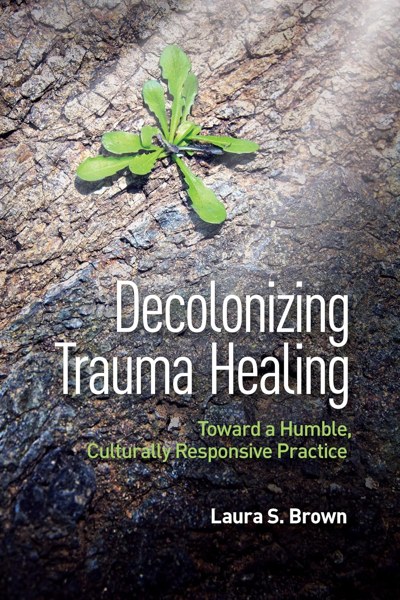
Book

Book
Book
Book
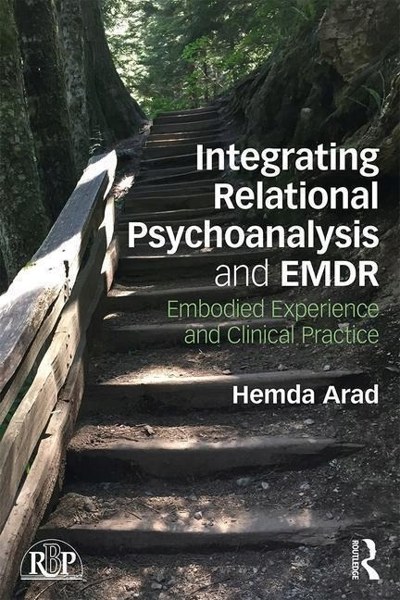
Book

Book
The hub is free to browse. Books, papers, shows and training may need a purchase, subscription or library access. Links open a source or a clearly labelled search; they aren’t copies of the full resources.